

Does Gut Health Affect Weight Loss? What Your Microbiome May Have to Do With Your Weight
You’ve been eating better. You’re exercising. You’re trying to stay consistent.
But the scale barely moves.
Sound familiar?
If you’ve been wondering, “Does gut health affect weight loss?”, you’re not alone. Researchers are increasingly studying the relationship between the gut microbiome, metabolism, appetite, and body weight.
Your gut isn’t simply a system that digests food. It contains trillions of microorganisms that interact with your diet, metabolism, immune system, and other processes throughout the body.
But here’s the important part: gut health isn’t a magic weight-loss solution. Instead, it may be one piece of a much bigger picture.
First, What Exactly Is Gut Health?
Before looking at weight management, it’s helpful to understand what gut health actually means.
Your digestive system is home to a complex community of microorganisms known as the gut microbiome. These microorganisms interact with the foods you eat and can produce substances that influence different processes in the body.
If you want to understand the basics first, take a look at our complete guide:
👉 What Is Gut Health? A Complete Guide to Your Gut Microbiome
That article explains what the gut microbiome is, why digestive wellness matters, and how everyday lifestyle choices can influence your gut.
So, Can Gut Health Affect Weight Loss?
Potentially—but it’s complicated.
Research has found associations between differences in gut microbiome composition and obesity. A 2025 systematic review found that obesity was associated with alterations in gut microbiota composition and function, although researchers emphasized that differences between studies make it difficult to establish simple cause-and-effect conclusions.
In other words, your gut microbiome may be connected to weight regulation, but it’s not accurate to say that an “unhealthy gut” automatically causes weight gain.
Several factors may be involved.
1. Your Gut May Interact With Appetite
Ever notice that some days you feel hungry all the time?
Researchers are investigating whether gut microorganisms may influence appetite, satiety, food intake, and other eating behaviors.
A systematic review published in Obesity Reviews found associations between the gut microbiome and factors related to appetite, energy intake, and weight gain. However, researchers noted that more evidence is needed to understand these relationships in humans.
This is one reason gut health is becoming an interesting area of weight-management research.
2. Fiber Feeds Your Gut Microbiome
Fiber is important for both digestion and overall nutrition.
Foods such as:
- Beans
- Lentils
- Oats
- Berries
- Apples
- Vegetables
- Whole grains
- Nuts and seeds
can provide different types of dietary fiber.
Some fibers are fermented by gut microorganisms, producing compounds such as short-chain fatty acids. These compounds are being studied for their potential role in metabolic health.
The key takeaway?
Don’t just focus on eating fewer foods. Think about the quality and variety of the foods you’re eating.
3. Your Gut and Metabolism Are Connected
Your metabolism determines how your body uses and stores energy.
Researchers are studying how the gut microbiome may interact with metabolic pathways involving carbohydrates, fats, inflammation, and energy regulation.
A recent systematic review found differences in metabolic pathways related to carbohydrate and lipid metabolism among people with obesity, but the authors also emphasized the need for more standardized research.
So while the microbiome may play a role, weight management remains influenced by many factors.
4. Your Diet Can Change Your Gut Microbiome
Here’s where things get interesting.
Your gut microbiome doesn’t exist independently from your lifestyle.
What you eat can influence the environment in which your gut microorganisms live.
A diet centered around a variety of whole and minimally processed foods can provide fiber and plant compounds that support a diverse nutritional environment.
Recent research examining lifestyle and microbiome-targeted interventions found that dietary changes showed some of the strongest evidence for influencing microbiome composition, while the relationship with long-term weight loss remains less certain.
5. Exercise May Help Your Gut Too
Exercise isn’t just about burning calories.
Physical activity may also influence the gut microbiome.
A 2025 systematic review of randomized controlled trials found that exercise may affect gut microbial diversity and other microbiome characteristics, although results across studies were not completely consistent.
This gives you another reason to think beyond the scale.
Walking, strength training, cycling, swimming, and other forms of regular movement can all be part of a healthy lifestyle.
6. Weight Loss and Gut Health May Influence Each Other
Here’s something many people overlook:
The relationship may go in both directions.
It’s not necessarily:
Gut → Weight
It may also be:
Weight-loss lifestyle → Gut
Research has found associations between intentional weight loss and changes in gut microbiome diversity, although the evidence has limitations.
That means improving your diet, exercising, and making healthier lifestyle choices may support both your weight-management goals and your overall digestive wellness.
7. What About Probiotics?
Probiotics are live microorganisms found in certain foods and dietary supplements.
They’re often marketed for digestive and wellness support, but here’s something important:
Not every probiotic works the same way.
Different strains can have different effects, and research into probiotics and body weight is still developing.
A recent systematic review found that some probiotic interventions were associated with reductions in body weight and body fat, but researchers also reported substantial variation between studies.
So probiotics shouldn’t be treated as a guaranteed weight-loss solution.
8. What About Prebiotics?
Prebiotics are types of dietary components that can be used by beneficial microorganisms in the gut.
They’re found naturally in foods such as:
- Garlic
- Onions
- Asparagus
- Bananas
- Oats
- Legumes
Increasing fiber-rich foods can therefore support both your nutritional needs and your gut microbiome.
How Can You Support Gut Health While Managing Your Weight?
You don’t need an extreme diet.
Start with simple habits that you can maintain.
Eat More Whole Foods
Build meals around vegetables, fruits, whole grains, beans, legumes, lean protein, nuts, and seeds.
Increase Fiber Gradually
If you’re currently eating very little fiber, increase your intake gradually and drink enough fluids.
Stay Active
Regular physical activity supports overall metabolic health and may also influence the gut microbiome.
Prioritize Sleep
Poor sleep can make healthy eating and weight management more difficult.
Manage Stress
Stress can influence eating habits and digestive function. Find activities that help you relax and stay consistent.
Avoid Extreme Diets
The best approach is usually one you can maintain over time—not the most restrictive plan you can tolerate for a few weeks.
Can a Gut Health Supplement Help With Weight Loss?
This is where you should be careful.
A dietary supplement should not be presented as a magic solution for losing weight.
Some supplements contain probiotics, prebiotics, fiber, or other ingredients designed to complement a healthy lifestyle. Research into microbiome-targeted approaches is ongoing, and individual responses can vary.
If you choose to use a supplement, look at the ingredients, serving information, quality standards, and safety considerations. If you have a medical condition or take medications, talk with a healthcare professional before starting a new supplement.
The Bottom Line
Does gut health affect weight loss?
It may.
The gut microbiome is increasingly recognized as an important area of research involving metabolism, appetite, digestion, and body weight. However, current evidence does not support the idea that simply changing your gut bacteria will automatically make you lose weight.
Instead, think of gut health as one piece of your overall wellness puzzle.
A balanced diet, adequate fiber, regular movement, quality sleep, stress management, and sustainable habits are much more useful foundations than chasing a quick fix.
🌿 Want to Learn More About Your Gut?
Your gut microbiome is more complex than you might think.
👉 Read our complete guide: What Is Gut Health?
Discover how your digestive system works, what influences your gut microbiome, and practical ways to support better digestive wellness.
Frequently Asked Questions
Can an unhealthy gut make it harder to lose weight?
Gut health may be associated with weight regulation, but there isn’t enough evidence to say that poor gut health alone prevents weight loss.
What foods support gut health and weight management?
Fiber-rich foods such as vegetables, fruits, beans, legumes, oats, and whole grains can be part of a balanced diet that supports digestive wellness.
Are probiotics good for weight loss?
Some studies have reported potential effects from specific probiotic interventions, but results vary. Probiotics should not be considered a guaranteed weight-loss treatment.
Does fiber help with gut health?
Yes. Dietary fiber supports normal digestion and can provide fuel for certain beneficial gut microorganisms.
Can exercise improve gut health?
Research suggests exercise may influence the gut microbiome, although findings aren’t completely consistent. Regular physical activity remains an important part of overall health.
Medical Disclaimer: This article is for educational and informational purposes only and is not intended to diagnose, treat, cure, or prevent any disease. Weight management is influenced by many factors. If you have concerns about your weight, digestion, or health, consult a qualified healthcare professional.
Category: Digestive Health
- Signs of an Unhealthy Gut: What Your Body Might Be Trying to Tell You
- Best Foods for Gut Health
- How to Improve Digestion Naturally
- Best Probiotic Foods
- Can Gut Health Affect Your Mood?
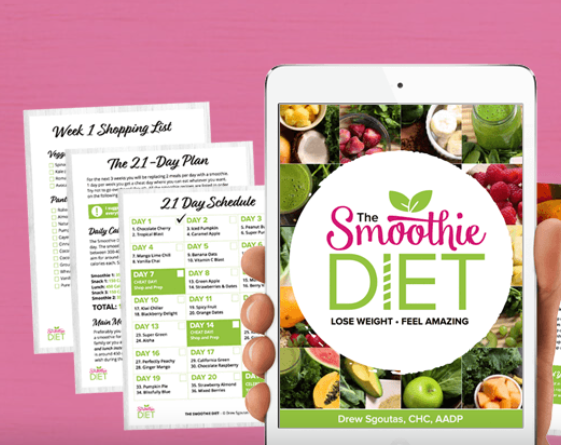
21 DAYS
to a slimmer, sexier you!
THE SMOOTHIE DIET is a revolutionary new life-transformation system that not only guarantees to help you lose weight and feel better than you have in years, it also promises to eliminate more body fat – faster than anything you’ve tried before