
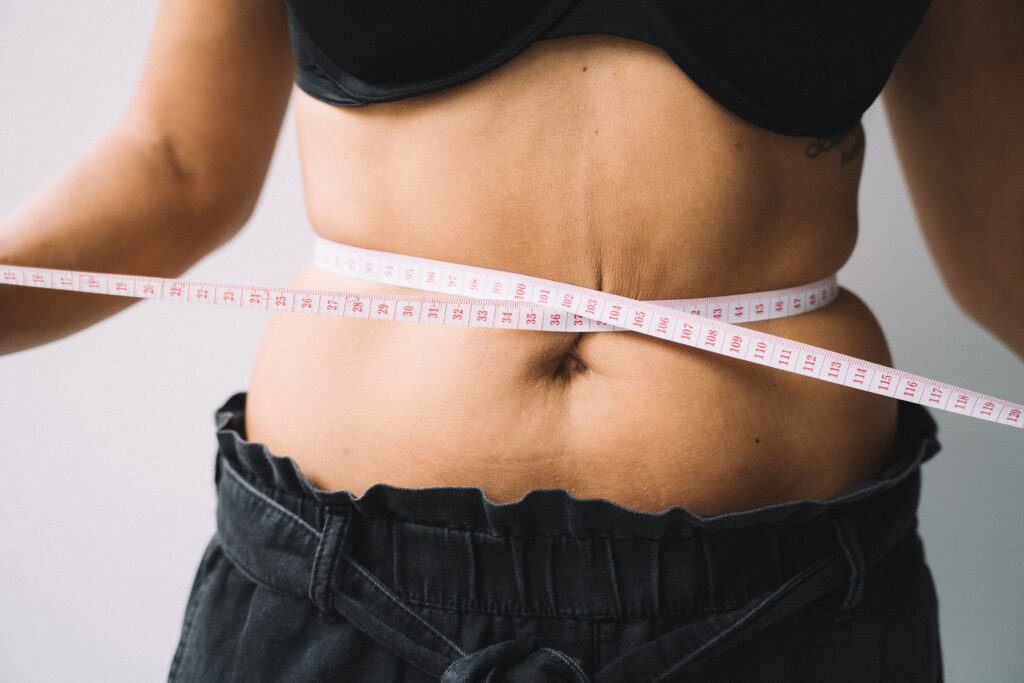
Does Gut Health Affect Weight Loss? What Your Gut Microbiome May Have to Do With Your Weight
You’ve been eating healthier. You’re exercising more. You’re trying to stay consistent—but the number on the scale doesn’t seem to change.
So you may be wondering:
Could your gut health be affecting your ability to lose weight?
It’s an interesting question, and scientists are increasingly studying the connection between the gut microbiome, metabolism, appetite, diet, and body weight.
Your gut contains trillions of microorganisms that interact with the foods you eat and with different processes throughout your body. Research has found differences in gut microbiota composition and function between people with obesity and people with normal weight, although researchers emphasize that the relationship is complex and does not prove that gut bacteria alone cause weight gain.
First: What Is Gut Health?
Before looking at weight management, it’s important to understand what “gut health” actually means.
Your digestive system is home to a diverse community of microorganisms known as the gut microbiome. These microorganisms interact with your diet and produce substances that may influence digestion, metabolism, immune function, and other biological processes.
Want to understand the basics first?
👉 Read our complete guide: What Is Gut Health?
Our main guide explains what the gut microbiome is, why digestive health matters, and which everyday habits can influence your gut.
Now let’s look at the connection between gut health and weight management.
Can Gut Health Really Affect Weight Loss?
Possibly—but it’s not as simple as “good bacteria = weight loss.”
Your body weight is influenced by many factors, including food intake, physical activity, sleep, stress, genetics, medications, and overall health.
At the same time, researchers are studying how the gut microbiome may interact with some of these factors.
A 2025 systematic review found that obesity is associated with changes in gut microbiota composition and function. However, the researchers also noted significant variation among studies, meaning more standardized research is needed.
So, think of gut health as one potential piece of the weight-management puzzle—not a magic solution.
1. Your Gut Microbiome Interacts With Your Diet
What you eat doesn’t just affect your calorie intake.
It also provides nutrients and other compounds that interact with your gut microorganisms.
For example, fiber-rich foods can be fermented by gut microbes, producing compounds called short-chain fatty acids (SCFAs). Researchers are studying how these compounds may influence metabolic health and other processes related to weight regulation.
This is one reason diet quality matters when you’re trying to improve your overall health.
2. Fiber May Be Especially Important
If you’re trying to improve your diet, fiber is an excellent place to start.
Good sources include:
- Oats
- Beans
- Lentils
- Berries
- Apples
- Vegetables
- Whole grains
- Nuts and seeds
Fiber supports normal digestion and provides fuel for certain microorganisms in the gut.
Research on dietary fiber and metabolic health continues to show potential benefits, although individual responses can vary.
A Simple Tip
Instead of dramatically changing your diet overnight, try adding one additional fiber-rich food to your meals each day.
Small changes are often easier to maintain.
3. Your Gut May Interact With Appetite and Satiety
Ever finish a meal and feel hungry again shortly afterward?
Scientists are investigating whether gut microorganisms may influence signals involved in appetite and satiety.
The gut communicates with the brain through a complex network involving nerves, hormones, metabolites, and immune signals.
This doesn’t mean that your gut bacteria determine how much you eat. However, the gut-brain connection is an important area of ongoing research in weight management.
4. Your Gut and Metabolism Are Connected
Metabolism is the process through which your body uses energy.
Researchers are investigating how gut microorganisms may interact with carbohydrate metabolism, lipid metabolism, inflammation, and energy regulation.
Some studies suggest that people with obesity may have differences in microbial pathways involved in these processes. However, researchers are still trying to determine which changes are causes, consequences, or simply associated with obesity.
That’s an important distinction.
Association doesn’t automatically mean causation.
5. Your Diet Can Change Your Gut Microbiome
Here’s the good news: your gut microbiome isn’t completely fixed.
Diet is one of the factors that can influence it.
Research suggests that dietary patterns, especially those rich in fiber and plant foods, can influence the composition and activity of gut microorganisms.
Instead of focusing only on eliminating foods, consider what you can add to your diet:
🌱 More vegetables
🍎 More fruits
🌾 More whole grains
🥣 More fiber-rich foods
🫘 More beans and legumes
6. Exercise May Support Your Gut Too
Exercise is obviously important for weight management—but its relationship with gut health is also interesting.
A 2025 systematic review of randomized controlled trials found that exercise may influence gut microbiota characteristics in people with overweight or obesity, although results varied between studies.
You don’t necessarily need an extreme workout routine.
Walking, cycling, swimming, resistance training, and other forms of regular movement can all contribute to an active lifestyle.
7. Losing Weight May Also Change Your Gut
Here’s something surprising:
The relationship may work in both directions.
It’s not necessarily:
Gut health → weight
It can also be:
Diet and weight changes → gut microbiome
Studies have found that weight-loss interventions can be accompanied by changes in gut microbiota, although the exact relationship is still being investigated.
This means that healthy lifestyle changes may potentially benefit several systems at the same time.
8. What About Probiotics?
Probiotics are live microorganisms found in certain foods and supplements.
You’ve probably seen them marketed for digestive health and weight management.
But here’s something important:
Not every probiotic is the same.
Different strains can behave differently, and results from studies are not always consistent.
A systematic review of microbiome-targeted interventions found that some probiotic studies reported reductions in body weight, while others found no significant change.
Therefore, probiotics shouldn’t be considered a guaranteed weight-loss solution.
9. What About Prebiotics?
Prebiotics are substances, often certain types of dietary fiber, that can be utilized by microorganisms in your gut.
You can find prebiotic fibers naturally in foods such as:
- Onions
- Garlic
- Asparagus
- Oats
- Beans
- Legumes
- Bananas
Rather than focusing on a single “superfood,” aim for variety.
A diverse diet provides different types of fibers and nutrients that interact with your gut microbiome in different ways.
10. Your Gut Is Only One Piece of the Puzzle
This might be the most important point.
If you’re struggling with weight loss, don’t automatically blame your gut.
Weight management involves multiple factors, including:
- Overall calorie intake
- Food quality
- Protein and fiber intake
- Physical activity
- Sleep
- Stress
- Genetics
- Age
- Medications
- Underlying health conditions
Your gut microbiome may contribute to this complex picture, but it doesn’t explain everything.
How Can You Support Your Gut While Managing Your Weight?
You don’t need an extreme “gut reset.”
Instead, focus on sustainable habits.
Eat More Fiber-Rich Foods
Try adding vegetables, fruits, beans, lentils, oats, and whole grains to your regular meals.
Eat a Variety of Foods
A diverse diet can provide different nutrients and types of dietary fiber.
Stay Physically Active
Regular movement supports overall metabolic health and may also influence the gut microbiome.
Get Enough Sleep
Poor sleep can make healthy eating and weight management more challenging.
Drink Enough Water
Adequate hydration supports normal digestion and overall health.
Limit Highly Processed Foods
You don’t need to eliminate every processed food, but emphasizing minimally processed foods can make it easier to build a nutrient-dense diet.
Can a Gut Health Supplement Help With Weight Management?
This is where it’s important to avoid exaggerated claims.
Some dietary supplements contain probiotics, prebiotics, fiber, or other ingredients intended to support digestive wellness.
However, supplements shouldn’t replace a balanced diet, physical activity, sleep, or professional medical care.
Research into microbiome-targeted approaches for weight management is promising but still developing. Individual responses can also vary considerably.
If you’re considering a supplement, review its ingredients and directions carefully and speak with a healthcare professional if you have a medical condition or take medications.
The Bottom Line
Does gut health affect weight loss?
It may play a role—but it’s not the whole story.
Current research suggests that the gut microbiome is associated with obesity, metabolism, dietary response, and other processes related to weight management. However, scientists are still working to understand exactly how these relationships work in humans.
Instead of looking for one miracle solution, focus on the fundamentals:
Eat well. Get enough fiber. Move regularly. Sleep well. Manage stress. Stay consistent.
And if you want to understand the foundation behind all of this, take the next step:
🌿 Want to Learn More About Your Gut?
Your gut microbiome is more complex than you might think.
👉 What Is Gut Health? The Complete Guide to Your Gut Microbiome
Learn what gut health really means, how your microbiome works, and which everyday habits can help support better digestive wellness.
Frequently Asked Questions
Can poor gut health make it harder to lose weight?
Gut health may be associated with weight regulation, but there isn’t enough evidence to say that poor gut health alone prevents someone from losing weight.
What foods are best for gut health and weight management?
Fiber-rich foods such as vegetables, fruits, beans, lentils, oats, and whole grains can be part of a balanced eating pattern that supports digestive and overall health.
Can probiotics help with weight loss?
Some studies have found potential benefits from specific probiotic interventions, but results vary considerably. Probiotics shouldn’t be considered a guaranteed weight-loss treatment.
Does fiber help with weight management?
Fiber can support digestive health and may help with fullness. Research also continues to explore how fiber interacts with the gut microbiome and metabolic health.
Does exercise affect the gut microbiome?
Research suggests that exercise can influence the gut microbiome, although findings vary between studies. Regular physical activity remains an important part of overall health.
Can fixing gut health make you lose weight?
There is no reliable evidence that simply “fixing” your gut will automatically cause weight loss. Gut health should be considered one part of a broader, sustainable approach to healthy weight management.
Medical Disclaimer: This article is for educational and informational purposes only. It is not intended to diagnose, treat, cure, or prevent any disease or medical condition. If you have concerns about your weight, digestion, or overall health, speak with a qualified healthcare professional.
Category: Digestive Health
- Signs of an Unhealthy Gut: What Your Body Might Be Trying to Tell You
- Best Foods for Gut Health
- How to Improve Digestion Naturally
- Best Probiotic Foods
- How Fiber Supports Gut Health
- What Is the Gut Microbiome?
- Can Gut Health Affect Your Mood?
- Does Gut Health Affect Weight Loss

Ready to build healthier eating habits? Discover what’s included in The Smoothie Diet and see how this easy-to-follow 21-day program can fit into your lifestyle.
Visit the official website to learn more and get started today.