
Want better digestion? One of the simplest places to start is your diet.
High-fiber foods can support regular bowel movements, feed beneficial gut bacteria, and promote overall digestive health.
The good news is that you don’t need expensive supplements. Many of the best sources of fiber are simple foods you can find at almost any grocery store.
Related: What Is Gut Health? The Complete Guide to Your Gut Microbiome
12 Best High-Fiber Foods for Digestion
1. Beans
Black beans, kidney beans, pinto beans, and other varieties provide plenty of fiber along with plant-based protein.
Add them to salads, soups, rice bowls, or tacos.
2. Lentils
Lentils are an easy way to add fiber and protein to your meals.
They’re great in soups, salads, curries, or as a side dish.
3. Oats
Oats contain soluble fiber, including beta-glucan, which can support digestive and metabolic health.
Try oatmeal with berries, chia seeds, or nuts.
4. Chia Seeds
Chia seeds are small but fiber-rich.
They can be added to oatmeal, yogurt, smoothies, or overnight oats.
Start with a small amount and increase gradually.
5. Berries
Raspberries, blackberries, and strawberries provide fiber along with vitamins and other plant compounds.
Add them to breakfast or enjoy them as a snack.
6. Apples
Apples contain both soluble and insoluble fiber.
Eating the skin provides additional fiber, so wash the fruit well before eating.
7. Pears
Pears are another convenient source of fiber.
They make an easy snack and can be combined with yogurt, oatmeal, or nuts.
8. Broccoli
Broccoli provides fiber and a variety of nutrients.
Try it roasted, steamed, or added to stir-fries and salads.
9. Avocado
Avocado provides fiber along with unsaturated fats.
Add it to toast, salads, sandwiches, or grain bowls.
10. Whole-Grain Foods
Whole-grain bread, brown rice, barley, and whole-grain pasta can provide more fiber than their refined counterparts.
Look for “whole grain” or “whole wheat” near the beginning of the ingredient list.
11. Nuts
Almonds, pistachios, walnuts, and other nuts provide fiber, healthy fats, and protein.
A small handful can make a convenient snack.
12. Flaxseeds
Ground flaxseeds provide fiber and can be easily mixed into oatmeal, yogurt, or smoothies.
Grinding them can make it easier to incorporate them into meals.
How Much Fiber Do You Need?
General recommendations for adults are around 25–38 grams of fiber per day, although individual needs vary.
If you currently eat little fiber, don’t increase your intake dramatically overnight.
Instead, add one or two high-fiber foods at a time.
Can High-Fiber Foods Cause Bloating?
Yes.
When you suddenly increase fiber, your gut bacteria may produce more gas as they ferment certain types of fiber.
This can lead to temporary:
- Gas
- Bloating
- Abdominal discomfort
To make the transition easier, increase fiber gradually and drink enough fluids.
What Is the Best High-Fiber Food?
There isn’t one winner.
The best approach is variety.
Different plant foods contain different types of fiber and other beneficial compounds. Try rotating fruits, vegetables, legumes, whole grains, nuts, and seeds throughout the week.
Simple High-Fiber Day
Here’s an easy example:
Breakfast:
Oatmeal + berries + chia seeds
Lunch:
Brown rice + black beans + vegetables + avocado
Snack:
Apple + handful of almonds
Dinner:
Lentils + broccoli + whole-grain bread
You don’t have to follow this exact plan. The idea is simply to include fiber throughout the day.
Should You Take a Fiber Supplement?
Not necessarily.
Whole foods are a great starting point because they provide fiber along with other nutrients.
Fiber supplements may be useful in certain situations, but they aren’t required for everyone.
If you have persistent constipation or digestive problems, talk with a healthcare professional about the right approach.
The Bottom Line
The best high-fiber foods for better digestion include beans, lentils, oats, berries, apples, pears, vegetables, whole grains, nuts, seeds, and avocado.
Focus on variety and gradual increases rather than trying to dramatically change your diet overnight.
A simple goal is to add a fiber-rich food to each meal and build from there.
Frequently Asked Questions
What foods are highest in fiber?
Beans, lentils, chia seeds, flaxseeds, certain berries, whole grains, nuts, and some fruits and vegetables are excellent sources of dietary fiber.
What is the best fiber-rich food for constipation?
Beans, lentils, oats, fruits, vegetables, and seeds can help increase dietary fiber. Increase fiber gradually and drink adequate fluids.
Can fiber help with digestion?
Yes. Fiber can support regular bowel movements and provide fuel for certain gut bacteria.
How can I increase fiber without getting bloated?
Increase fiber slowly, drink enough fluids, and introduce new high-fiber foods in moderate portions.
Is fruit high in fiber?
Some fruits are particularly good sources of fiber, including berries, pears, apples, and raspberries.
Medical Disclaimer
This article is for educational and informational purposes only. It is not intended to diagnose, treat, cure, or prevent any disease or medical condition. If you have persistent, severe, or concerning digestive symptoms, consult a qualified healthcare professional.
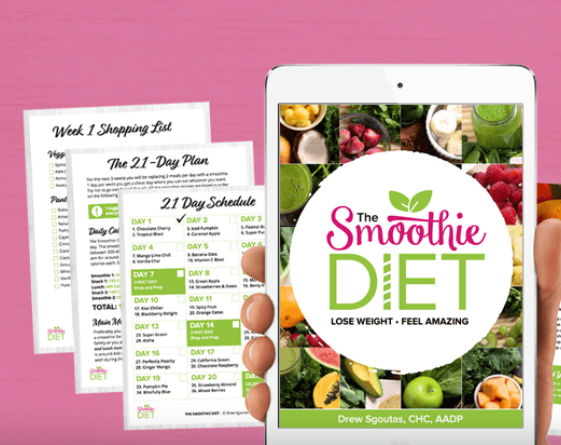
21 DAYS
to a slimmer, sexier you!
THE SMOOTHIE DIET is a revolutionary new life-transformation system that not only guarantees to help you lose weight and feel better than you have in years, it also promises to eliminate more body fat – faster than anything you’ve tried before