Why Am I Bloated After Every Meal? 9 Possible Reasons
Do you feel like your stomach gets bigger, tighter, or uncomfortable almost every time you eat?
You’re not alone.
Bloating after meals is common, but experiencing it after nearly every meal can be frustrating—and sometimes there may be an underlying reason.
Bloating can happen because you eat too quickly, consume certain foods, get constipated, swallow excess air, or simply eat more than your digestive system is comfortable handling at once.
In some cases, persistent bloating can also be associated with food intolerances or digestive conditions that deserve medical attention.
The good news is that understanding why you feel bloated after eating can help you identify patterns and make practical changes.
Let’s look at 9 possible reasons.
What Does Bloating Feel Like?
Bloating is more than simply having a full stomach.
You may experience:
- A feeling of fullness or pressure
- A visibly swollen abdomen
- Tightness around your stomach
- Excess gas
- Burping
- Abdominal discomfort
- Feeling uncomfortably full after a normal-sized meal
Some people notice bloating within minutes of eating, while others develop symptoms several hours later.
The timing can provide useful clues.
1. You’re Eating Too Quickly
One of the simplest explanations for bloating is eating too fast.
When you eat quickly, you may swallow more air. Eating rapidly can also make it easier to consume a larger amount of food before your body has a chance to register fullness.
Try slowing down.
Instead of rushing through your meal:
- Sit down while eating
- Take smaller bites
- Chew thoroughly
- Put your fork down occasionally
- Avoid eating while distracted when possible
You don’t need to turn every meal into a 30-minute ritual.
Even slowing down a little can make meals more comfortable for some people.
2. Your Meals Are Too Large
Even nutritious foods can cause discomfort if you eat a very large amount at once.
Your stomach has to accommodate the food and your digestive system has to process it.
If you’re consistently eating until you’re extremely full, try slightly smaller portions.
You can also experiment with:
Smaller meals + slower eating + mindful portions
rather than very large meals.
This doesn’t mean you should undereat.
The goal is to find a portion that satisfies you without leaving you uncomfortably stuffed.
3. You’re Increasing Fiber Too Quickly
Fiber is extremely important for digestive and overall health.
However, if you’re currently eating very little fiber and suddenly start consuming large amounts of:
- Beans
- Lentils
- Broccoli
- Oats
- Whole grains
- Chia seeds
- Vegetables
you may experience temporary gas and bloating.
That’s because gut microbes ferment certain types of fiber, producing gas as part of the process.
What should you do?
Don’t necessarily eliminate fiber.
Instead, increase it gradually.
For example, add one additional fiber-rich food to your day and slowly build from there.
Also make sure you’re drinking adequate fluids.
👉 Learn more about foods that support beneficial gut microbes in Foods That Feed Good Gut Bacteria.
4. Certain Foods May Trigger Your Symptoms
Not every food affects everyone the same way.
Some people notice more bloating after consuming foods such as:
- Beans
- Onions
- Garlic
- Certain dairy products
- Wheat-based foods
- Cruciferous vegetables
- Carbonated drinks
- Large amounts of sugar alcohols
This doesn’t mean these foods are “bad.”
Many of them are highly nutritious.
The important question is:
Do you consistently experience symptoms after eating a particular food?
Instead of eliminating dozens of foods at once, keep a simple food and symptom journal.
Write down:
What you ate → when you ate it → when symptoms appeared → what symptoms you experienced.
Patterns may become easier to identify.
5. Constipation Could Be Contributing
If you’re not having regular bowel movements, food and gas may remain in your digestive tract longer.
This can contribute to feelings of:
- Fullness
- Pressure
- Abdominal swelling
- Gas
- Discomfort
Constipation can sometimes be related to:
- Low fiber intake
- Inadequate fluid intake
- Lack of physical activity
- Changes in routine
- Certain medications
- Other health conditions
Increasing fiber gradually, staying hydrated, and getting regular physical activity may help support normal bowel function.
If constipation is persistent, talk with a healthcare professional.
6. You’re Swallowing Too Much Air
Bloating isn’t always caused by what you’re eating.
Sometimes it’s related to how you eat and drink.
You may swallow more air if you:
- Eat very quickly
- Drink through a straw
- Chew gum frequently
- Drink carbonated beverages
- Talk while eating
- Smoke
- Frequently suck on hard candy
That swallowed air can contribute to belching and abdominal bloating.
Try eliminating one possible source at a time and see whether your symptoms change.
7. You May Have a Food Intolerance
Some people have difficulty digesting specific foods or components of foods.
For example, lactose intolerance occurs when the body doesn’t produce enough lactase to properly digest lactose, the sugar naturally found in milk.
This can lead to symptoms such as:
- Bloating
- Gas
- Abdominal discomfort
- Diarrhea
Other dietary components can also cause digestive symptoms in certain people.
If you notice that the same food consistently causes symptoms, discuss it with a healthcare professional rather than simply eliminating large categories of food without guidance.
8. Your Gut Microbiome May Play a Role
Your gut contains trillions of microorganisms that interact with the food you eat.
The composition and activity of your gut microbiome can influence how certain carbohydrates and fibers are fermented.
This fermentation can produce gas.
That doesn’t mean gas is automatically a sign of an “unhealthy gut.”
In fact, some gas production is a normal part of digestion and microbial fermentation.
However, changes in your diet, medications, illness, and other factors can alter your gut environment and sometimes affect digestive symptoms.
👉 For a deeper explanation, read What Is Gut Health? The Complete Guide to Your Gut Microbiome.
9. An Underlying Digestive Condition Could Be Involved
If you’re bloated after almost every meal, especially when symptoms are persistent, severe, or getting worse, don’t automatically assume it’s just your diet.
Several digestive conditions can cause bloating or abdominal discomfort.
Examples include:
- Irritable bowel syndrome (IBS)
- Celiac disease
- Lactose intolerance
- Gastroesophageal reflux disease (GERD)
- Chronic constipation
- Small intestinal bacterial overgrowth (SIBO)
- Other gastrointestinal conditions
This doesn’t mean that having bloating means you have one of these conditions.
Only a healthcare professional can properly evaluate your symptoms and determine whether further testing is appropriate.
Why Am I Bloated After Eating Healthy Foods?
This is a common question.
You may think:
“I eat vegetables, fruit, whole grains, and healthy foods. Why am I still bloated?”
Healthy doesn’t always mean symptom-free.
For example, beans, onions, garlic, broccoli, and some whole grains contain fermentable carbohydrates and fibers that can produce gas.
If you recently improved your diet, your digestive system may also need time to adapt to a significant increase in fiber.
Instead of removing all healthy foods, consider:
- Increasing fiber gradually.
- Eating smaller portions.
- Drinking adequate fluids.
- Cooking vegetables if raw vegetables bother you.
- Tracking which foods consistently trigger symptoms.
How to Reduce Bloating After Meals
If you’re looking for practical steps, start here.
Eat Slowly
Give yourself enough time to eat without rushing.
Watch Portion Sizes
Large meals can contribute to discomfort even when the foods themselves are nutritious.
Increase Fiber Gradually
Don’t go from very low fiber to extremely high fiber overnight.
Drink Enough Fluids
Adequate hydration supports normal digestion and bowel function.
Walk After Eating
A gentle walk after a meal can help you stay active and may support normal digestive function.
You don’t need an intense workout.
Even a short walk can be a practical habit.
Reduce Carbonated Drinks
If carbonation makes you feel bloated, try replacing soda and sparkling beverages with still water or another drink you tolerate well.
Keep a Food Journal
Track meals and symptoms for a couple of weeks.
Look for patterns rather than blaming the last food you ate.
Should You Try a “Bloat Detox”?
Be careful with products promising to:
- Flatten your stomach overnight
- Clean your colon
- Flush toxins
- Eliminate all gas
- “Reset” your microbiome in 24 hours
These claims are often much stronger than the available evidence.
Your digestive system doesn’t need an aggressive cleanse to function normally.
Instead, focus on sustainable habits:
Fiber + fluids + movement + balanced meals + adequate sleep.
Can Gut Health Affect Weight and Bloating?
Yes, but don’t confuse bloating with body fat.
Bloating can temporarily change how your abdomen looks and how much you weigh on the scale.
That’s different from gaining body fat.
Your gut microbiome may also be associated with metabolic processes and body weight, but research is still developing and doesn’t support the idea that simply “fixing your gut bacteria” will automatically cause weight loss.
👉 Read more: Does Gut Health Affect Weight Loss? What the Science Says.
When Should You See a Doctor?
Occasional bloating is common.
However, persistent or unexplained bloating deserves attention, particularly when it’s accompanied by other symptoms.
Talk with a healthcare professional if you experience:
- Persistent or severe abdominal pain
- Unexplained weight loss
- Blood in your stool
- Persistent vomiting
- Significant changes in bowel habits
- Persistent diarrhea
- Severe or ongoing constipation
- Difficulty swallowing
- Loss of appetite
- A swollen abdomen that doesn’t improve
- Symptoms that are progressively getting worse
Don’t try to diagnose yourself based on an online article.
A healthcare professional can look at your complete symptoms, medical history, medications, diet, and other factors.
A Simple 7-Day Bloating Experiment
If your symptoms are mild and you’re otherwise well, you can try focusing on a few basic habits for a week.
Every day:
Morning:
Drink water and move your body.
Breakfast:
Choose a balanced meal with protein and a moderate amount of fiber.
Lunch:
Eat slowly and avoid very large portions.
Afternoon:
Stay hydrated.
Dinner:
Avoid eating until you’re uncomfortably full.
After meals:
Take a short walk if practical.
Throughout the week:
Track foods and symptoms.
Don’t eliminate 20 foods at once.
The goal is to discover patterns—not to create an unnecessarily restrictive diet.
The Bottom Line
Why are you bloated after every meal?
There isn’t always one answer.
Your symptoms may be related to eating quickly, large meals, increasing fiber too quickly, certain foods, constipation, swallowed air, food intolerance, your gut microbiome, or an underlying digestive condition.
Start with simple changes:
Eat slowly.
Watch portion sizes.
Increase fiber gradually.
Stay hydrated.
Move regularly.
Track food and symptoms.
And if bloating is persistent, severe, or accompanied by other concerning symptoms, talk with a healthcare professional.
Your gut doesn’t need a miracle detox.
It needs consistent care—and, when necessary, proper medical evaluation.
Frequently Asked Questions
Why do I get bloated after every meal?
Bloating after meals can have several causes, including eating quickly, large portions, certain foods, constipation, swallowing air, food intolerances, or digestive conditions.
Is bloating after eating normal?
Occasional bloating is common. However, frequent or persistent bloating—especially when it occurs after nearly every meal—may be worth discussing with a healthcare professional.
What foods cause the most bloating?
Foods that may cause bloating in some people include beans, onions, garlic, certain dairy products, some wheat-based foods, cruciferous vegetables, carbonated drinks, and products containing certain sugar alcohols. Individual responses vary.
How can I stop bloating after eating?
Try eating more slowly, reducing very large meals, increasing fiber gradually, drinking enough fluids, limiting carbonated drinks if they trigger symptoms, and staying physically active.
Does drinking water help with bloating?
Adequate hydration can support normal digestion and bowel function, particularly when you’re increasing fiber. However, water isn’t a guaranteed treatment for bloating.
Can constipation cause bloating?
Yes. Constipation can contribute to abdominal fullness, pressure, gas, and bloating.
Is bloating a sign of an unhealthy gut?
Not necessarily. Bloating can have many causes and doesn’t automatically mean your gut microbiome is unhealthy.
When should bloating be considered serious?
Seek medical advice if bloating is persistent, severe, worsening, or accompanied by symptoms such as unexplained weight loss, blood in the stool, persistent vomiting, significant abdominal pain, or major changes in bowel habits.
Medical Disclaimer
This article is for educational and informational purposes only. It is not intended to diagnose, treat, cure, or prevent any disease or medical condition. Persistent digestive symptoms should be discussed with a qualified healthcare professional.
+ Articles
- Does Gut Health Affect Weight Loss? What the Science Says
- Foods That Feed Good Gut Bacteria
- Can Gut Health Affect Your Mood? The Gut-Brain Connection
- Why Can’t I Lose Weight Even When I Eat Healthy?
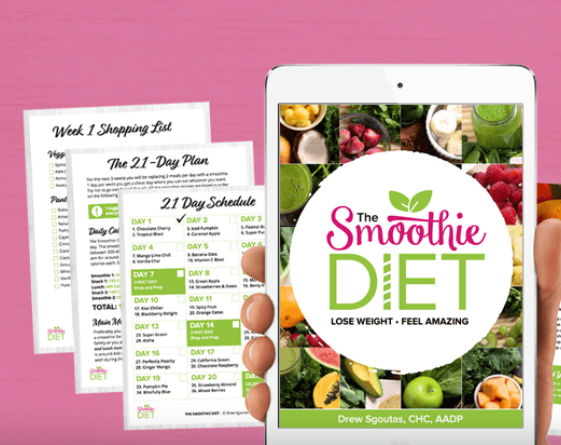
Ready to build healthier eating habits? Discover what’s included in The Smoothie Diet and see how this easy-to-follow 21-day program can fit into your lifestyle. Visit the official website to learn more and get started today.
Healthy habits begin with one simple step. Click below to visit the official website and discover everything included in The Smoothie Diet.