

You’re eating salads, choosing healthier foods, avoiding junk food—and yet the number on the scale isn’t moving.
Sound familiar?
One of the most frustrating parts of trying to lose weight is feeling like you’re doing everything “right” but seeing little or no progress.
One of the most frustrating parts of trying to lose weight is feeling like you’re doing everything “right” but seeing little or no progress.
The truth is that eating healthy and losing weight are related, but they’re not exactly the same thing.
The quality of your diet matters for your health, but weight change is influenced by many factors, including total calorie intake, physical activity, sleep, stress, medications, hormones, genetics, and your individual metabolism.
So, why can’t you lose weight even when you eat healthy?
Let’s look at some of the most common reasons.
1. Healthy Foods Can Still Be High in Calories
This is one of the biggest misunderstandings about healthy eating.
Foods such as:
- Nuts
- Avocado
- Olive oil
- Nut butters
- Granola
- Dried fruit
- Smoothies
can provide valuable nutrients, but they can also contain significant amounts of calories.
For example, adding large amounts of nuts, oils, or nut butter to meals can increase your total calorie intake without making the meal look much bigger.
Healthy doesn’t automatically mean low-calorie.
The goal isn’t to eliminate nutritious foods. Instead, pay attention to portions and your overall eating pattern.
2. You’re Eating More Than You Realize
Small extras throughout the day can add up.
A handful of nuts here.
A spoonful of peanut butter there.
A sugary coffee.
A few bites while cooking.
A large weekend meal.
None of these foods are necessarily “bad.”
But when your goal is weight loss, your total intake over time matters.
Try tracking what you eat for several days—not necessarily forever—to understand your actual eating pattern.
You may discover that your portions are larger than you thought.
3. You’re Not Getting Enough Protein
Protein can help support muscle maintenance and can contribute to feelings of fullness.
If most of your meals consist primarily of carbohydrates or low-protein foods, you may become hungry again relatively quickly.
Consider including protein sources such as:
- Eggs
- Greek yogurt
- Fish
- Chicken
- Lean meat
- Beans
- Lentils
- Tofu
- Cottage cheese
Your individual protein needs depend on factors such as age, body size, activity level, and health status.
If you’re unsure how much protein you need, a registered dietitian or healthcare professional can help.
4. You’re Not Eating Enough Fiber
Fiber can support digestive health and may help you feel satisfied after meals.
Good sources include:
- Vegetables
- Fruits
- Beans
- Lentils
- Oats
- Whole grains
- Nuts
- Seeds
Fiber is also important for your gut microbiome because certain types of fiber can be fermented by gut microorganisms.
👉 Foods That Feed Good Gut Bacteria
If you’re eating very little fiber, increase it gradually and drink enough fluids.
5. You’re Drinking Calories Without Realizing It
Liquid calories can be surprisingly easy to overlook.
Examples include:
- Sweetened coffee
- Soda
- Energy drinks
- Alcohol
- Fruit drinks
- Large smoothies
Because liquids may be less filling than solid foods for some people, it’s possible to consume a significant amount without feeling particularly satisfied.
Try choosing water or unsweetened beverages more often and see whether it makes a difference.
6. You’re Not Getting Enough Sleep
Sleep is often overlooked when people talk about weight loss.
But sleep affects appetite regulation, energy levels, food choices, and physical activity.
When you’re consistently tired, you may find it harder to exercise, prepare healthy meals, or resist highly palatable foods.
Instead of focusing exclusively on food, consider your entire routine.
Healthy weight management starts with more than what’s on your plate.
7. Stress May Be Affecting Your Eating Habits
Stress doesn’t automatically cause weight gain.
However, chronic stress can influence sleep, appetite, food choices, and daily activity.
Some people respond to stress by eating more.
Others may skip meals and later become extremely hungry.
If stress is affecting your eating habits, working on stress management may be just as important as changing your diet.
Try activities such as:
- Walking
- Exercise
- Deep breathing
- Meditation
- Spending time outdoors
- Social connection
- Relaxation before bed
8. You’re Not Moving as Much as You Think
You don’t need to spend hours at the gym to support weight management.
But your overall daily movement matters.
You may exercise for 30 minutes and then spend most of the remaining day sitting.
This is where non-exercise activity can make a difference.
Simple activities such as:
- Walking
- Taking the stairs
- Cleaning
- Gardening
- Standing more often
- Taking short movement breaks
can increase your overall daily activity.
Consistency is more important than trying to do everything at once.
9. You’re Gaining Muscle While Losing Fat
The scale doesn’t tell the whole story.
If you’re exercising regularly—especially resistance training—you may gain or maintain muscle while losing body fat.
As a result, your weight might change slowly even though your body composition is improving.
Pay attention to other measurements, such as:
- Waist circumference
- How your clothes fit
- Strength
- Energy levels
- Progress photos
Weight is only one measurement.
10. You’re Expecting Results Too Quickly
Healthy weight loss usually isn’t dramatic.
Your weight can fluctuate from day to day because of:
- Water
- Sodium intake
- Food volume
- Hormonal changes
- Bowel movements
- Exercise
Seeing the scale increase by a pound or two doesn’t necessarily mean you’ve gained body fat.
Instead of focusing on one day’s number, look at the trend over several weeks.
11. Your Gut Health May Be Part of the Bigger Picture
Your gut microbiome is being studied for its relationship with metabolism, appetite, digestion, and body weight.
However, it’s important not to fall into the trap of thinking:
“My gut is unhealthy, so that’s why I can’t lose weight.”
Weight management is much more complex.
Your gut health is one part of your overall health—not a magic explanation for every weight-loss problem.
👉 Does Gut Health Affect Weight Loss?
12. Certain Medications or Health Conditions May Affect Weight
Sometimes weight loss is difficult despite consistent lifestyle changes because of factors outside your control.
Certain medications and medical conditions can influence body weight or make weight management more challenging.
Examples can include some:
- Diabetes medications
- Antidepressants
- Steroids
- Hormonal medications
Medical conditions can also influence weight.
If you’ve made consistent lifestyle changes and aren’t seeing expected results, talk with your healthcare professional.
Don’t stop taking prescribed medication on your own.
So, What Should You Do?
Instead of making your diet more restrictive, take a step back.
Ask yourself:
Am I eating appropriate portions?
Am I getting enough protein?
Am I eating enough fiber?
Am I drinking many calories?
Am I sleeping well?
How active am I throughout the day?
How stressed am I?
Have I been consistent long enough to see a trend?
These questions can reveal areas that are easier to improve.
A Simple Weight-Loss Checklist
Try focusing on these fundamentals:
☑ Eat mostly minimally processed foods.
☑ Include protein in your meals.
☑ Eat plenty of vegetables and other fiber-rich foods.
☑ Pay attention to portion sizes.
☑ Drink mostly water or low-calorie beverages.
☑ Move regularly throughout the day.
☑ Include resistance training if appropriate for you.
☑ Prioritize quality sleep.
☑ Manage stress.
☑ Track progress over time—not just from one day to the next.
You don’t need perfection.
You need consistency.
When Should You Talk to a Healthcare Professional?
If you’ve been consistently following a healthy lifestyle and still experience unexplained weight gain or difficulty managing your weight, consider speaking with a healthcare professional.
This is especially important if you also experience symptoms such as:
- Extreme fatigue
- Major changes in appetite
- Significant unexplained weight changes
- Changes in your menstrual cycle
- Excessive thirst or urination
- Persistent digestive problems
- Other unusual symptoms
A healthcare professional can review your medical history, medications, lifestyle, and symptoms and determine whether further evaluation is appropriate.
The Bottom Line
Eating healthy is one piece of the weight-loss puzzle—but it isn’t the entire puzzle.
You can eat nutritious foods and still consume more energy than your body needs for your current activity level.
At the same time, sleep, stress, physical activity, medications, medical conditions, genetics, and your metabolism can all influence your results.
Instead of asking:
“Why isn’t my healthy diet working?”
Try asking:
“What part of my overall lifestyle can I improve next?”
Small, sustainable changes are often more useful than extreme diets.
And remember: your goal shouldn’t simply be a lower number on the scale.
Your goal should be better health, sustainable habits, and a lifestyle you can maintain.
Frequently Asked Questions
Why am I not losing weight if I eat healthy?
Healthy foods can still provide significant calories, and weight is influenced by portion sizes, activity, sleep, stress, medications, genetics, and other factors.
Can you eat healthy and still gain weight?
Yes. Nutritious foods can still contribute to weight gain if your overall energy intake consistently exceeds your body’s needs.
Why am I losing weight so slowly?
Weight-loss speed varies between individuals. Water fluctuations, changes in activity, muscle gain, diet, metabolism, and adherence can all affect the rate of change.
Does gut health affect weight loss?
The gut microbiome is being studied for potential relationships with metabolism and body weight, but gut health is only one part of a much larger picture.
Does sleep affect weight loss?
Sleep can influence appetite, energy levels, food choices, and physical activity, making it an important part of healthy weight management.
Should I eat less if I’m not losing weight?
Not necessarily. Extremely restrictive diets can be difficult to maintain. Before cutting calories further, review your portions, protein, fiber, activity, sleep, and overall eating pattern.
How long should I wait before changing my diet?
Give sustainable changes enough time to evaluate the overall trend rather than reacting to daily fluctuations. If you’re concerned about your progress, a healthcare professional or registered dietitian can provide individualized guidance.
Medical Disclaimer: This article is for educational and informational purposes only. It is not intended to diagnose, treat, cure, or prevent any disease or medical condition. Weight management is influenced by many individual factors. Consult a qualified healthcare professional or registered dietitian for personalized advice.
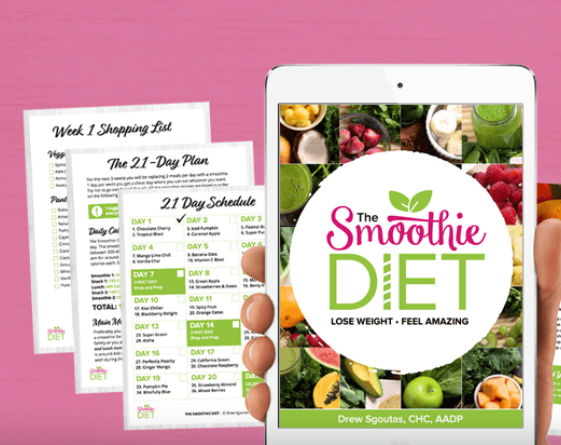
Ready to build healthier eating habits? Discover what’s included in The Smoothie Diet and see how this easy-to-follow 21-day program can fit into your lifestyle. Visit the official website to learn more and get started today.
Healthy habits begin with one simple step. Click below to visit the official website and discover everything included in The Smoothie Diet.