

Why Am I Bloated After Every Meal? 9 Possible Reasons
Do you feel like your stomach gets bigger, tighter, or uncomfortable almost every time you eat?
You’re not alone.
Bloating is a common digestive complaint, and it can happen for many different reasons. Sometimes it’s related to what you ate or how quickly you ate. In other cases, recurring bloating may be connected to constipation, food intolerances, or an underlying digestive condition.
The good news is that understanding why you feel bloated after eating can help you identify habits that may be contributing to the problem.
Let’s look at 9 possible reasons.
Important: Occasional bloating is common. However, persistent or severe bloating should not simply be ignored. If you have ongoing symptoms, unexplained weight loss, blood in your stool, vomiting, severe abdominal pain, or other concerning symptoms, speak with a healthcare professional
What Does Bloating Actually Mean?
Bloating is the feeling of fullness, pressure, tightness, or swelling in the abdomen.
Some people notice that their stomach actually looks larger after eating, while others mainly experience an uncomfortable sensation.
Bloating can be influenced by digestion, intestinal gas, bowel movements, food choices, and the interaction between your digestive system and gut microbiome.
If you want to understand the bigger picture, start here:
👉 What Is Gut Health? The Complete Guide to Your Gut Microbiome
Your gut microbiome plays an important role in digestion and is one part of the larger digestive system.
9 Possible Reasons You’re Bloated After Every Meal
1. You’re Eating Too Quickly
Do you finish your meal in five or ten minutes?
Eating quickly can cause you to swallow more air, which may contribute to gas and bloating.
It can also make it easier to eat more food before your body has time to recognize that you’re full.
Try this:
Slow down your meals.
Put your fork down between bites, chew your food thoroughly, and give yourself enough time to actually enjoy your meal.
You don’t need to turn every meal into a 30-minute event. Simply eating more slowly can be a useful habit to experiment with.
2. You’re Eating Too Much at Once
Even nutritious foods can leave you feeling uncomfortable if you eat a very large meal.
Your digestive system has to process everything you consume, and a large volume of food can temporarily create a feeling of fullness or abdominal pressure.
Instead of eating one enormous meal, consider whether smaller, balanced meals work better for your body.
Pay attention to how you feel after different portion sizes.
3. You’re Eating Too Much Fiber Too Quickly
Fiber is important for digestive health.
But here’s something many people don’t realize:
More fiber isn’t always better if you increase it too quickly.
Foods such as beans, lentils, whole grains, vegetables, fruits, nuts, and seeds can increase your fiber intake.
Your gut microorganisms ferment some types of fiber, which can produce gas.
If your diet has been low in fiber and you suddenly start eating large amounts, you may experience:
- Gas
- Bloating
- Abdominal discomfort
The solution?
Increase fiber gradually and make sure you’re drinking enough fluids.
Your digestive system often needs time to adjust.
4. Certain Foods May Trigger Bloating
Have you ever noticed that you feel fine after one meal but extremely bloated after another?
Certain foods can cause digestive symptoms in some people.
Common examples include:
- Beans
- Onions
- Garlic
- Certain fruits
- Dairy products
- Wheat-containing foods
- Carbonated beverages
- Sugar alcohols found in some “sugar-free” products
This doesn’t mean these foods are “bad.”
Your individual tolerance matters.
Keeping a simple food and symptom journal for a couple of weeks may help you identify patterns.
However, don’t eliminate large groups of foods unnecessarily without professional guidance.
5. You May Be Constipated
Here’s a reason many people overlook.
Constipation can contribute to bloating.
When stool moves slowly through the digestive tract, you may experience abdominal fullness, discomfort, and changes in bowel habits.
Ask yourself:
- Are you having fewer bowel movements than usual?
- Are your stools hard or difficult to pass?
- Do you frequently feel like you haven’t completely emptied your bowels?
- Do you feel bloated when you haven’t had a bowel movement?
If these symptoms sound familiar, constipation could be contributing to your discomfort.
Adequate fluids, regular movement, and gradually increasing dietary fiber can support normal bowel function.
Persistent constipation should be discussed with a healthcare professional.
6. You May Be Swallowing Too Much Air
It’s called aerophagia, and it simply means swallowing air.
You may swallow more air when you:
- Eat very quickly
- Drink through a straw
- Chew gum
- Drink carbonated beverages
- Talk while eating
- Smoke
Some of that swallowed air can eventually leave your body through burping or intestinal gas.
If you frequently feel bloated after meals, try reducing behaviors that cause you to swallow excess air and see whether your symptoms improve.
7. Food Intolerance Could Be Playing a Role
Some people have difficulty digesting certain components of food.
One well-known example is lactose intolerance, where the body has difficulty digesting lactose, the sugar found in milk.
Depending on the person, consuming lactose can cause symptoms such as:
- Bloating
- Gas
- Abdominal discomfort
- Diarrhea
Other food components can also cause symptoms in susceptible individuals.
If you consistently notice symptoms after consuming a particular food, don’t immediately assume you need to eliminate it forever.
Talk to a healthcare professional who can help determine whether an intolerance or another digestive issue may be involved.
8. Your Gut Microbiome May Be Part of the Picture
Your digestive tract contains trillions of microorganisms that make up your gut microbiome.
These microorganisms interact with the foods you eat.
When certain carbohydrates and fibers reach the large intestine, gut bacteria can ferment them and produce gas.
That’s a normal part of digestion.
However, differences in gut microbiome composition and function may influence how individuals respond to certain foods.
This is one reason two people can eat the same meal and experience completely different digestive symptoms.
Want to learn more?
👉 What Is Gut Health? The Complete Guide to Your Gut Microbiome
Our complete guide explains the gut microbiome and the lifestyle factors that can influence digestive wellness.
9. An Underlying Digestive Condition May Be Responsible
If you’re bloated after almost every meal, it’s worth paying attention.
Occasional bloating is common.
But persistent bloating can sometimes occur alongside digestive conditions such as:
- Irritable bowel syndrome (IBS)
- Gastroesophageal reflux disease (GERD)
- Celiac disease
- Inflammatory bowel disease
- Certain food intolerances
- Other gastrointestinal conditions
This doesn’t mean that bloating automatically indicates a medical problem.
It simply means that persistent symptoms deserve attention.
A healthcare professional can evaluate your symptoms and determine whether further testing is appropriate.
How Can You Reduce Bloating Naturally?
If your bloating is occasional and mild, start with simple habits.
Eat Slowly
Give yourself enough time to chew your food and enjoy your meal.
Drink Enough Water
Adequate hydration supports normal digestion and bowel function.
Increase Fiber Gradually
Don’t suddenly go from a low-fiber diet to extremely high fiber.
Increase your intake gradually.
Move After Eating
A gentle walk after a meal can be a simple way to stay active and may help you feel less sluggish.
Limit Carbonated Drinks
If fizzy drinks consistently make you feel bloated, try reducing them.
Keep a Food Journal
Write down what you eat and how you feel afterward.
You may discover patterns you hadn’t noticed before.
What About a “Gut Detox”?
You may have seen products claiming to cleanse your digestive system or “flush toxins.”
Be skeptical of extreme detox claims.
Your body already has organs, including the liver and kidneys, that perform essential roles in processing and eliminating substances.
Instead of relying on extreme cleanses, focus on sustainable habits:
Fiber + hydration + nutritious foods + physical activity + adequate sleep.
These fundamentals are much more useful for long-term wellness.
When Should You See a Doctor About Bloating?
Don’t ignore persistent or concerning symptoms.
Talk to a healthcare professional if your bloating:
- Happens frequently and doesn’t improve
- Is severe or worsening
- Is accompanied by significant abdominal pain
- Occurs with unexplained weight loss
- Is accompanied by blood in your stool
- Occurs with persistent vomiting
- Is associated with major changes in bowel habits
- Interferes with your normal daily activities
These symptoms don’t necessarily mean something serious is happening, but they deserve proper evaluation.
The Bottom Line
Why are you bloated after every meal?
There isn’t always one answer.
You may be eating too quickly, consuming large portions, increasing fiber too fast, swallowing excess air, dealing with constipation, reacting to certain foods, or experiencing an underlying digestive issue.
The key is to look for patterns rather than guessing.
Start with simple habits, pay attention to your body’s responses, and seek professional advice when symptoms persist.
🌿 Want to Understand Your Gut Better?
Bloating is just one part of digestive health.
👉 Read: What Is Gut Health? The Complete Guide to Your Gut Microbiome
Learn how your gut microbiome works, what can influence your digestive system, and practical ways to support better digestive wellness.
Check out this great opportunity for your garden as well.
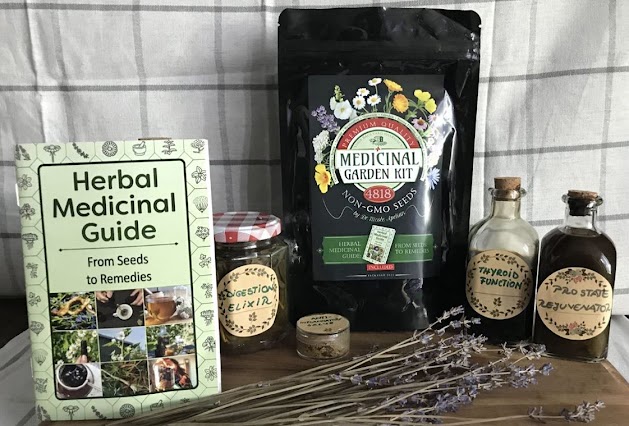
🌿 Grow carefully selected medicinal herbs
🌱 Beginner-friendly planting guide included
📘 Learn how to cultivate and use your herbs
I turn to my little backyard pharmacy whenever I’m in pain, catch a cold, run a fever, and so on. It’s been a long time since I set foot in a pharmacy. I have everything I need right here in my backyard for myself and my entire family. “Nicole Apelian, Ph.D”