

Foods That Feed Good Gut Bacteria: 12 Foods Your Gut Will Love
What if improving your gut health started with what’s already on your plate?
Your digestive system is home to trillions of microorganisms, collectively known as the gut microbiome. These microorganisms interact with the foods you eat, and some dietary components—especially certain types of fiber—can help support beneficial bacteria.
The good news is that you don’t necessarily need expensive products or complicated diets to support your gut. Many everyday foods can provide the nutrients and fibers your gut microbes need.
In this guide, we’ll explore 12 foods that can help support a diverse and healthy gut microbiome.
First, What Are “Good” Gut Bacteria?
Your gut contains a huge variety of microorganisms. Not all bacteria are harmful, and your body relies on a balanced microbial ecosystem.
Beneficial microorganisms can interact with dietary fibers and other compounds in your food. Some gut bacteria ferment certain fibers, producing short-chain fatty acids such as acetate, propionate, and butyrate.
These compounds are an important area of research because they may support normal intestinal and metabolic functions.
Want to understand the bigger picture?
👉 What Is Gut Health? The Complete Guide to Your Gut Microbiome
Our complete guide explains how the gut microbiome works and how everyday habits can influence digestive wellness.
12 Foods That Feed Good Gut Bacteria
1. Oats
Oats are an easy way to add fiber to your breakfast.
They contain beta-glucan, a type of soluble fiber that can be utilized by gut microorganisms.
Try adding oats to:
- Breakfast bowls
- Overnight oats
- Smoothies
- Homemade energy bites
For an easy option, combine oats with berries, yogurt, and nuts.
2. Bananas
Bananas provide fiber and are an easy snack.
Slightly less-ripe bananas contain more resistant starch, a type of carbohydrate that can reach the large intestine and be fermented by gut microorganisms.
Add sliced bananas to oatmeal, yogurt, or a smoothie.
3. Apples
An apple provides fiber along with a variety of plant compounds.
Much of the fiber is found in the skin, so washing the apple thoroughly and eating it with the skin can increase your fiber intake.
Try pairing an apple with natural peanut butter or a handful of nuts.
4. Berries
Strawberries, blueberries, raspberries, and blackberries provide fiber and plant compounds.
They’re easy to add to:
- Oatmeal
- Yogurt
- Smoothies
- Salads
A colorful variety of fruits can help make your diet more diverse.
5. Beans
Beans are one of the most useful foods for increasing dietary fiber.
Examples include:
- Black beans
- Kidney beans
- Pinto beans
- Navy beans
- Chickpeas
Start with smaller portions if you’re not used to eating much fiber, because suddenly increasing fiber can cause temporary gas or bloating.
6. Lentils
Lentils are another excellent source of dietary fiber and plant-based protein.
Add them to soups, salads, curries, or grain bowls.
They’re inexpensive, versatile, and easy to prepare.
7. Garlic
Garlic contains compounds that may interact with gut microorganisms.
It also adds flavor without requiring large amounts of salt, sugar, or processed sauces.
Add fresh garlic to vegetables, soups, sauces, and roasted dishes.
8. Onions
Onions contain dietary fibers and plant compounds that can contribute to a gut-friendly eating pattern.
Use onions in:
- Soups
- Omelets
- Salads
- Stir-fries
- Homemade sauces
Cooking methods can affect the composition of foods, so variety is more important than obsessing over one specific preparation method.
9. Asparagus
Asparagus contains fiber and naturally occurring prebiotic compounds.
Roast it with olive oil, add it to salads, or serve it alongside a protein-rich meal.
It’s an easy way to increase your vegetable variety.
10. Yogurt With Live Cultures
Not all foods that support gut health work in the same way.
Yogurt containing live and active cultures can provide beneficial microorganisms directly.
When shopping, check the label for information about live cultures and choose options that fit your nutritional needs.
If you’re sensitive to dairy, lactose-free yogurt or certain non-dairy fermented alternatives may be options.
11. Kefir
Kefir is a fermented drink traditionally made from milk and kefir cultures.
It contains a variety of microorganisms and is commonly included in discussions about fermented foods.
You can drink it on its own or add it to smoothies.
As with any food, individual tolerance matters.
12. Sauerkraut
Sauerkraut is fermented cabbage and can contain live microorganisms when it has not been pasteurized after fermentation.
It also provides vegetables and dietary fiber.
Add a small amount to sandwiches, bowls, or meals as a flavorful side.
Check the nutrition label because some commercial varieties can contain significant amounts of sodium.
What About Prebiotic Foods?
You may have heard the term prebiotic.
Prebiotics are substances that can be utilized by microorganisms in the body and provide a substrate for beneficial microbes.
Many naturally occurring prebiotic fibers can be found in foods such as:
- Onions
- Garlic
- Asparagus
- Oats
- Legumes
- Bananas
- Chicory root
Instead of searching for one “best” prebiotic food, aim for variety.
Different types of dietary fiber can interact with different microorganisms.
What About Probiotic Foods?
Probiotic foods contain live microorganisms that may provide health benefits when consumed in adequate amounts.
Examples can include:
- Yogurt with live cultures
- Kefir
- Certain fermented vegetables
- Some fermented soy products
However, not every fermented food is necessarily a probiotic food, and the microorganisms present can vary considerably.
How Much Fiber Should You Eat?
For most adults, dietary guidelines recommend getting a substantial amount of fiber from food.
Good sources include fruits, vegetables, whole grains, legumes, nuts, and seeds.
If your current diet is low in fiber, increase your intake gradually and drink adequate fluids. A sudden increase can cause gas, bloating, or abdominal discomfort.
A Simple Gut-Friendly Day
Here’s an easy example of how these foods can fit into your routine.
Breakfast
Oatmeal + berries + banana + nuts
Lunch
Lentil and vegetable bowl with whole grains
Snack
Apple + natural peanut butter
Dinner
Grilled protein + roasted asparagus + beans or another high-fiber side
Optional
Yogurt with live cultures or kefir
You don’t need to eat every food on this list every day.
Variety matters more than perfection.
What Foods Should You Limit?
Supporting your gut isn’t only about adding foods.
It can also help to reduce your reliance on highly processed foods that are often high in added sugars, refined carbohydrates, saturated fats, or sodium.
That doesn’t mean you have to completely eliminate your favorite foods.
Instead, try thinking:
More whole foods. Less ultra-processed food. More variety.
A sustainable approach is much easier to maintain than an extremely restrictive diet.
Can Gut Bacteria Help With Weight Management?
Researchers are studying the relationship between the gut microbiome, metabolism, appetite, and body weight.
However, it’s important not to believe claims that a particular food or probiotic will automatically cause weight loss.
Gut health is only one part of a much bigger picture that includes diet, physical activity, sleep, stress, genetics, medications, and overall health.
For more information, read:
👉 Does Gut Health Affect Weight Loss?
How Quickly Can Your Gut Microbiome Change?
Your gut microbiome is dynamic and can respond to changes in diet and lifestyle.
However, there isn’t a universal timeline for “improving” your gut.
Instead of looking for immediate results, focus on habits you can maintain for months and years.
Eating a diverse range of plant foods regularly is a practical starting point.
The Bottom Line
Your gut bacteria need an environment that supports a diverse and balanced microbial community.
One of the simplest ways to support that environment is through your diet.
Foods such as oats, berries, apples, beans, lentils, garlic, onions, asparagus, yogurt with live cultures, kefir, and fermented vegetables can all fit into a gut-friendly eating pattern.
You don’t need a perfect diet.
You need a sustainable one.
Start by adding one or two fiber-rich foods to your meals, gradually increase variety, and pay attention to how your body responds.
🌿 Want to Learn More About Your Gut?
Your gut microbiome is much more complex than digestion alone.
👉 Read our complete guide: What Is Gut Health?
Learn what gut health means, how your microbiome works, and practical ways to support better digestive wellness through everyday habits.
Frequently Asked Questions
What foods feed good gut bacteria?
Fiber-rich foods such as oats, beans, lentils, fruits, vegetables, and whole grains can provide substrates that gut microorganisms can use.
Are bananas good for gut health?
Bananas provide dietary fiber, and less-ripe bananas contain more resistant starch. They can be part of a varied diet that supports digestive health.
What is the best food for gut bacteria?
There isn’t one single “best” food. Eating a variety of fiber-rich plant foods is generally a better strategy than relying on one particular food.
Is yogurt good for gut health?
Yogurt containing live cultures can provide beneficial microorganisms. Check the label to determine whether live cultures are present.
Are fermented foods good for the gut?
Some fermented foods contain live microorganisms, although the type and amount can vary. Fermented foods can be part of a diverse, balanced diet.
Can I eat too much fiber?
Yes. Increasing fiber too quickly can cause gas, bloating, or abdominal discomfort. Increase fiber gradually and drink enough fluids.
How can I improve my gut health naturally?
Focus on dietary variety, fiber-rich foods, adequate hydration, regular physical activity, quality sleep, and stress management.
Medical Disclaimer: This article is for educational and informational purposes only. It is not intended to diagnose, treat, cure, or prevent any disease or medical condition. If you have persistent digestive symptoms or concerns about your health, consult a qualified healthcare professional.
Check out this great opportunity for your garden as well.
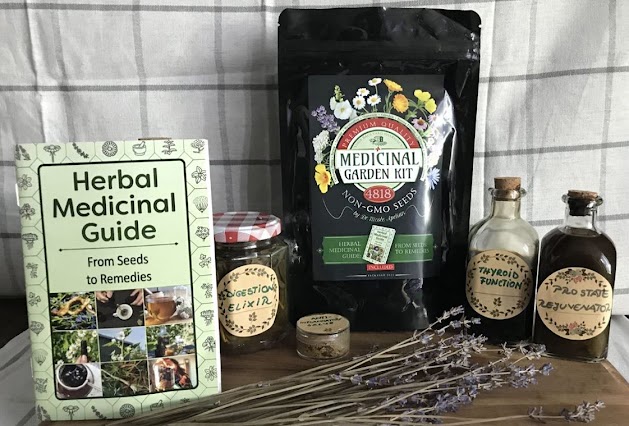
🌿 Grow carefully selected medicinal herbs
🌱 Beginner-friendly planting guide included
📘 Learn how to cultivate and use your herbs
I turn to my little backyard pharmacy whenever I’m in pain, catch a cold, run a fever, and so on. It’s been a long time since I set foot in a pharmacy. I have everything I need right here in my backyard for myself and my entire family. “Nicole Apelian, Ph.D”