
How to Improve Digestion Naturally: 10 Simple Habits
Take the First Step Toward Your How to Improve Digestion Naturally: 10 Simple Habits
This section encourages visitors to take action, such as signing up, subscribing, or learning more about your services. It highlights the benefits of taking the next step and offers clear instructions for engagement.
How to Improve Digestion Naturally: 10 Simple Habits
Feeling bloated, heavy, or uncomfortable after meals can make everyday life frustrating.
The good news is that digestion is influenced by many everyday habits. Simple changes involving food, hydration, movement, sleep, and eating patterns may help support healthier digestion.
So, how can you improve digestion naturally?
Here are 10 simple habits you can start incorporating into your daily routine.
Related: What Is Gut Health? The Complete Guide to Your Gut Microbiome
1. Eat More Fiber
Fiber plays an important role in digestive health.
Foods such as vegetables, fruits, beans, lentils, oats, whole grains, nuts, and seeds provide different types of fiber that can support regular bowel movements.
If you currently eat very little fiber, increase it gradually. A sudden increase can cause gas and bloating.
2. Drink Enough Water
Hydration helps your digestive system function normally and is especially important when increasing your fiber intake.
Instead of waiting until you’re extremely thirsty, make water a regular part of your day.
Your individual fluid needs can vary depending on your body, activity level, climate, and health conditions.
3. Slow Down When You Eat
Eating too quickly can make it easier to overeat and may cause you to swallow more air.
Try putting your fork down between bites and taking a little more time to chew your food.
A slower meal can also make it easier to recognize when you’re comfortably full.
4. Include More Whole Foods
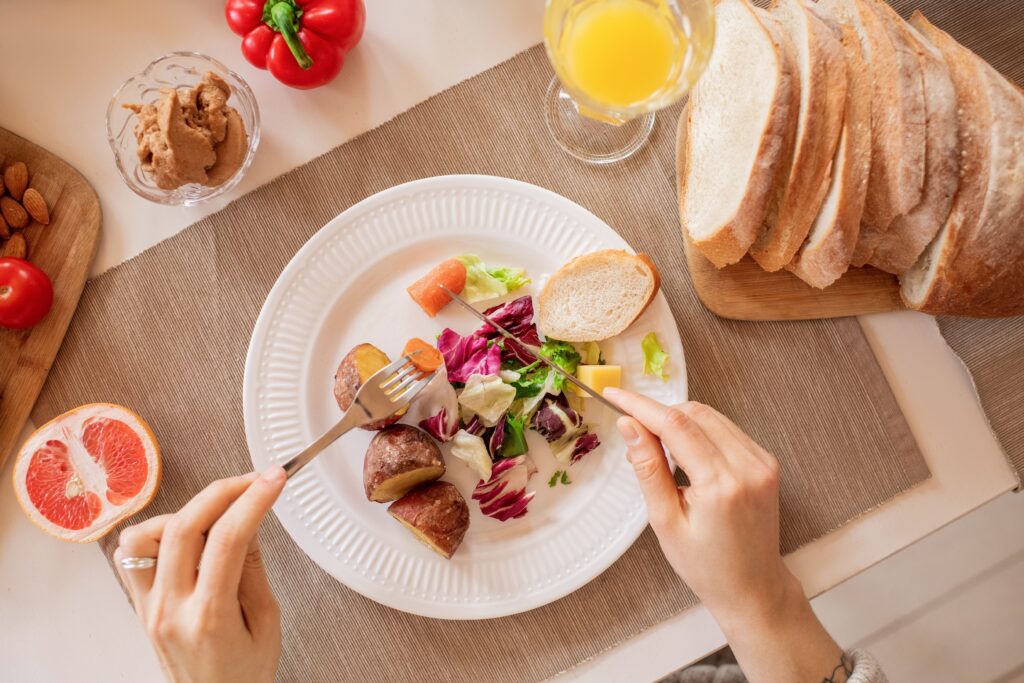
A diet centered around a variety of minimally processed foods can provide fiber, vitamins, minerals, and other nutrients important for overall health.
Try building meals around:
- Vegetables
- Fruits
- Beans and lentils
- Whole grains
- Nuts and seeds
- Lean protein
- Healthy sources of fat
You don’t have to eat perfectly. Consistency matters more than perfection.
5. Move Your Body Regularly
Physical activity can support normal bowel function and overall digestive health.
You don’t necessarily need intense workouts.
Walking after meals, taking the stairs, stretching, or simply being less sedentary throughout the day can be useful ways to add more movement.
6. Don’t Ignore the Urge to Use the Bathroom
Regularly ignoring the urge to have a bowel movement may contribute to constipation for some people.
Give yourself enough time and privacy to use the bathroom without constantly rushing.
A consistent bathroom routine may also help establish more regular bowel habits.
7. Eat Fermented Foods If You Tolerate Them
Some fermented foods contain live microorganisms that may support the gut microbiome.
Examples include:
- Yogurt with live cultures
- Kefir
- Sauerkraut
- Kimchi
- Some fermented vegetables
Not every fermented food contains live cultures, and some products can be high in added sugar or sodium. Check the nutrition label when appropriate.
8. Pay Attention to Foods That Trigger Symptoms
Certain foods may cause bloating, gas, heartburn, diarrhea, or discomfort in some people.
Common triggers can include large amounts of fatty foods, spicy foods, dairy for people with lactose intolerance, or certain high-FODMAP foods.
Instead of eliminating everything at once, keep a simple food and symptom diary.
This can help you identify patterns without unnecessarily restricting your diet.
9. Manage Stress
Your digestive system and brain communicate through what is commonly called the gut-brain axis.
Stress can affect digestive symptoms in some people, including bloating, abdominal discomfort, and changes in bowel habits.
Simple strategies such as walking, breathing exercises, spending time outdoors, or taking short breaks during the day may help you manage everyday stress.
10. Get Consistent Sleep
Sleep is an important part of overall health, and poor sleep can affect many systems in the body.
Try to maintain a consistent sleep and wake schedule and create a relaxing routine before bedtime.
Better sleep won’t solve every digestive problem, but it can support healthier habits overall.
What Should You Eat for Better Digestion?
There isn’t one perfect “digestion diet.”
Instead, focus on variety.
A simple day could include:
Breakfast:
Oatmeal with berries, chia seeds, and yogurt.
Lunch:
Chicken or beans with vegetables and brown rice.
Snack:
Fruit and a handful of nuts.
Dinner:
Fish, vegetables, and a whole-grain or starchy side.
If certain foods consistently cause symptoms, adjust your choices based on your individual tolerance.
What About Digestive Detoxes?
You don’t need a special detox drink, juice cleanse, or restrictive diet to “clean” your digestive system.
Your body already has organs—including the liver and kidneys—that help process and eliminate waste.
For long-term digestive health, basic habits such as eating enough fiber, staying hydrated, moving regularly, sleeping well, and eating a varied diet are more practical than short-term cleanses.
How Quickly Can Digestion Improve?
It depends on what’s causing your symptoms.
Some people may notice changes after improving hydration, fiber intake, meal habits, or physical activity.
Other digestive problems may require more time—or professional evaluation.
If symptoms continue despite lifestyle changes, don’t assume you simply need a better “gut cleanse.” There may be another cause that needs attention.
When Should You See a Doctor?
Occasional digestive discomfort is common. However, persistent or severe symptoms should be evaluated.
Talk with a healthcare professional if you experience:
- Persistent abdominal pain
- Blood in your stool
- Black or tarry stools
- Unexplained weight loss
- Persistent vomiting
- Difficulty swallowing
- Ongoing diarrhea
- Long-lasting constipation
- Fever with significant digestive symptoms
- Signs of dehydration
Seek urgent medical attention for severe abdominal pain, significant bleeding, fainting, or other serious symptoms.
The Bottom Line
Improving digestion naturally doesn’t have to be complicated.
Start with the basics: eat more fiber-rich foods, drink enough water, slow down when eating, stay active, manage stress, get enough sleep, and pay attention to foods that trigger symptoms.
Small habits practiced consistently can be more useful than extreme diets or quick-fix detoxes.
And if digestive symptoms keep coming back, getting the right medical evaluation is more important than trying another supplement or cleanse.
Frequently Asked Questions
What is the fastest way to improve digestion naturally?
There isn’t one universal solution. For many people, starting with adequate hydration, gradual fiber intake, regular movement, and slower eating can be a practical first step.
What foods help digestion?
Fiber-rich foods such as vegetables, fruits, beans, lentils, oats, whole grains, nuts, and seeds can support normal digestion. Fermented foods may also be useful for some people.
Does walking help digestion?
Regular physical activity can support normal bowel function. A short walk after a meal is a simple way to add movement to your routine.
Why am I bloated after eating?
Bloating can have many causes, including eating quickly, large meals, constipation, certain foods, food intolerances, and digestive conditions.
Should I take digestive supplements?
Not necessarily. Supplements aren’t appropriate for everyone, and their usefulness depends on the specific problem. If you have ongoing symptoms, talk with a healthcare professional before relying on supplements.
Medical Disclaimer
This article is for educational and informational purposes only. It is not intended to diagnose, treat, cure, or prevent any disease or medical condition. If you have persistent, severe, or concerning digestive symptoms, consult a qualified healthcare professional.
Category: Digestive Health
- Signs of an Unhealthy Gut: What Your Body Might Be Trying to Tell You
- Best Foods for Gut Health
- How to Improve Digestion Naturally
- Best Probiotic Foods
- Can Gut Health Affect Your Mood?
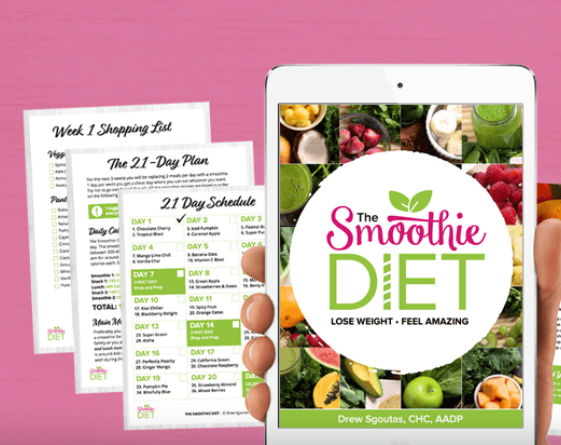
21 DAYS
to a slimmer, sexier you!
THE SMOOTHIE DIET is a revolutionary new life-transformation system that not only guarantees to help you lose weight and feel better than you have in years, it also promises to eliminate more body fat – faster than anything you’ve tried before